
Downloadable Worksheets
Spend time on what matters most worksheet
From vision to victory worksheet
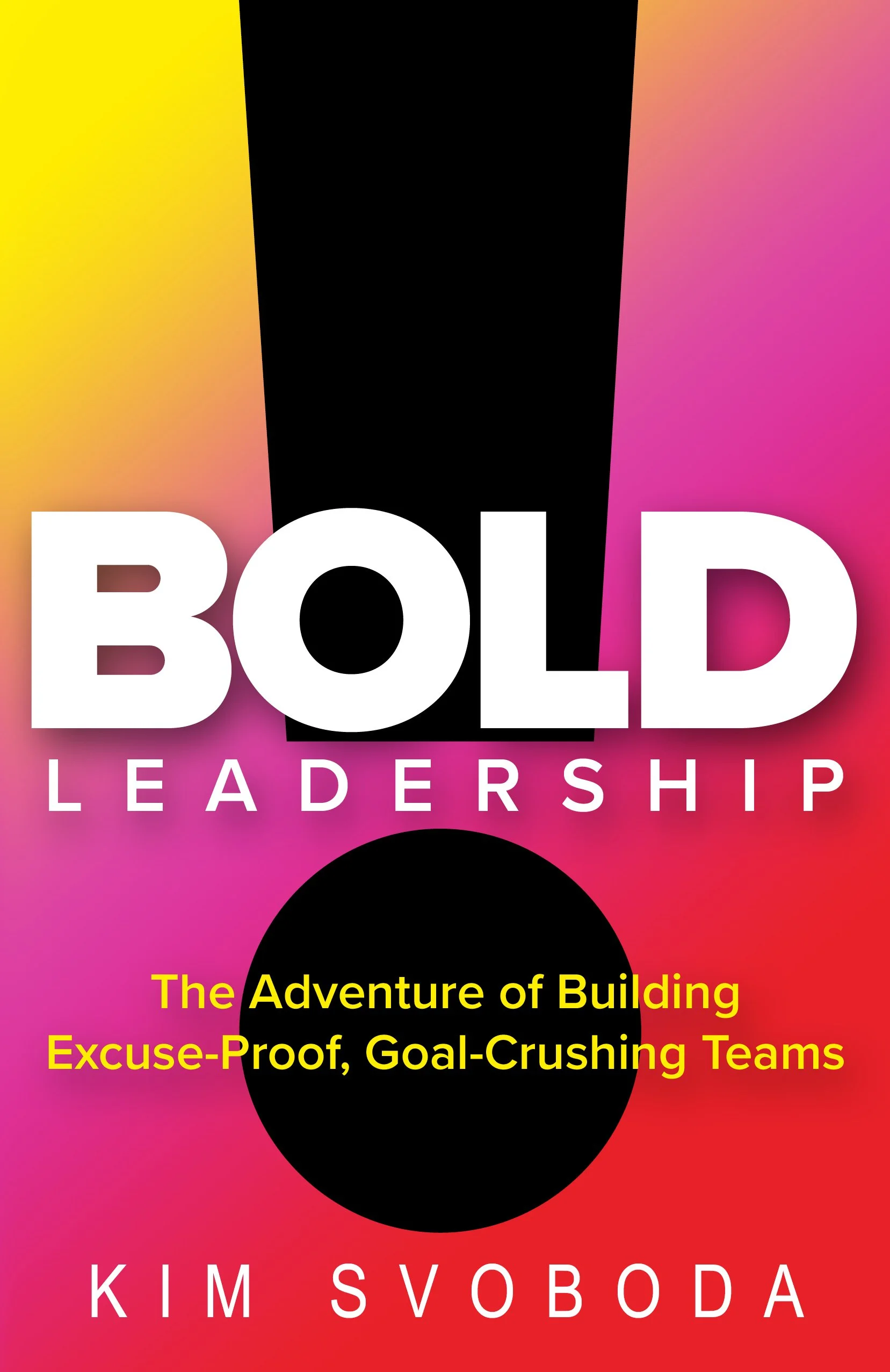
BOLD LEADERSHIP BOOK
Highlights from All 18 Chapters
-
A BOLD leader starts with one clear, compelling goal — not ten, not five, just one. This section shows you how to define your brilliant vision, communicate it in a way that moves people to action, and build the strategic road map to make it real.
-
Every BOLD leader starts with one clear, compelling goal — not ten, not five, just one. Using Jim Collins' Hedgehog Concept, this chapter guides you to find the intersection of what you're deeply passionate about, what you can be best at, and what fuels your impact. A brilliant vision isn't just ambitious — it's focused.
Reflection exercise: If you could only accomplish one bold goal in the next 3–5 years, what would it be and why does it matter? What beliefs or fears are holding you back from dreaming bigger?
-
A vision only moves people when they understand what's in it for them. This chapter shows you how to communicate your vision in a way that answers your team's two biggest questions: What does success look like? and What's in it for me? Like Shackleton's famous Antarctic recruitment ad, the most powerful visions don't hide the difficulty — they make people want to be part of something bigger.
Key practice: Develop a communications plan and put your vision on repeat. Create coalitions of supporters and engage your team in the creation process to build authentic buy-in.
-
The gap between vision and reality is bridged by a strategic road map. Kim's proven planning framework covers three phases: Research & SWOT, Hypotheses/Plans A, B & C, and RACI/KPIs/Progress Tracking. BOLD leaders stay curious, gather data, and plan for multiple scenarios.
Team exercise: Use the SWOT analysis template (downloadable above) to evaluate your strengths, weaknesses, opportunities, and threats in the context of your brilliant vision. Requires 1–2 hours and your leadership team.
-
Before you can lead others well, you have to know yourself. This section builds the inner foundation of BOLD leadership — self-awareness, intentional development, playing to your strengths, and the resilience to stay the course when things get hard.
-
IYou can't lead others well until you understand yourself. This chapter explores how purpose, values, and honest feedback form the bedrock of BOLD leadership. Recommended assessments include Gallup CliftonStrengths (top pick), Kolbe, DISC, and Myers-Briggs. No single tool tells the whole story — use them together.
Key practice: Seek feedback actively. Ask your manager, peers, direct reports, and clients: What's something I should do more of? Less of? When feedback stings, don't argue — listen and learn.
External tools: Gallup CliftonStrengths · DISC Assessment · Myers-Briggs (MBTI).
Contact us to schedule your leadership and/or team assessment: info@aspirationcatalyst.com
-
Great leaders aren't born — they're built through intentional development. This chapter walks you through creating a personal leadership development plan that turns aspirations into action steps. Writing down your plan clarifies your goals, and sharing it with others creates accountability.
Key practice: Document your top 3 leadership goals with specific action steps, resources needed, metrics for success, and target dates. Share your plan with a mentor or coach to increase follow-through.
-
According to Gallup, 80% of leaders rate themselves as above average — but only 20–30% of their employees agree. This chapter confronts that gap head-on. Using 360-degree feedback and performance data, Kim walks through a real coaching engagement that transformed a struggling leader into one who drove her team to win a prestigious national award.
Key practice: Conduct a 360 review. Identify your top strengths and your top areas for development. Then build a gap-closing action plan with specific goals, actions, and accountability checkpoints.
External tool: Ask your HR team or work with us for 360 evaluations
-
Rather than fixating on fixing weaknesses, BOLD leaders double down on their strengths. Drawing on Dr. Gay Hendricks' Zone of Genius framework, this chapter helps you identify the four zones you operate in — Incompetence, Competence, Excellence, and Genius — and shows how to spend more time in the zone where creativity flows and impact multiplies.
Reflection: Where are you spending most of your time? What tasks could you delegate to spend more time in your Zone of Genius?
Zones:
Zone of Incompetence — stop doing this
Zone of Competence — others can do this too
Zone of Excellence — you're great at it, but it drains you
Zone of Genius — where you perform best and love the work
-
Resilience isn't a personality trait — it's a practice. This chapter explores how a growth mindset, the ability to learn from setbacks, and the courage to take the next step are what separate leaders who thrive from those who stall. Fear is part of the journey. So is resilience.
Key practice: When facing a difficult challenge, call on your past grit. Remind yourself of the hard things you've already overcome. Take the first step, then the next — with each step, fear loses its grip and confidence takes its place.
-
BOLD leaders are lighthouses — unwavering in storms, a steady guide for others. This section is about how you show up for your people: building strong teams, developing future leaders, listening deeply, and putting people at the center of everything you do.
-
BOLD leaders are lighthouses — unwavering in storms, silent in strength, and a safe guide home. This chapter draws on Kim's experience at CDW, where founder Michael Krasny set the cultural tone that drove decades of extraordinary results. It shows how to build a strong bench, develop future leaders, and create a team culture that sustains performance long after you've left the room.
Key practice: Ask yourself: Who on my team am I actively developing? What does my bench look like? Are you building the next generation of leaders or just managing today's results?
-
Leaders who invest in developing their people see measurably higher productivity, lower turnover, greater profitability, and better customer satisfaction. This chapter makes the case that leadership development isn't a luxury — it's a strategic imperative. When people feel invested in, they engage. When they feel overlooked, they leave.
Key practice: Signal to your team that they matter.
Ask: What are your career goals? What would help you grow?
Then act on the answers. Growing your leaders grows your business, builds your talent pipeline, and creates high levels of engagement.
-
Most leaders listen to respond — BOLD leaders listen to understand. This chapter explores how deep listening builds trust, surfaces better ideas, and makes your team feel seen and valued. It also tackles the habits that get in the way: distraction, defensiveness, and the urge to jump to solutions.
Key practice: In your next one-on-one, commit to asking one question and then just listening — no interrupting, no finishing sentences, no checking your phone. Notice what you learn.
-
The most enduring leadership legacy isn't a title or an award — it's the people you helped grow. This chapter explores what it means to lead with a people-first mindset, drawing on the story of Dorri McWhorter, the first Black woman CEO in the 110-year history of the Executives' Club of Chicago. Extraordinary things happen when leaders prioritize people.
Reflection: What kind of culture do I want to create? When my leadership journey is over, how do I want to be remembered by my team? What stories would I like others to tell about my leadership?
-
Vision without execution is just a dream. This section is where leadership gets done — turning your brilliant vision into measurable results, prioritizing ruthlessly, multiplying your impact through others, navigating obstacles, and building a culture where winning gets repeated.
-
Execution is where real leadership happens. This chapter provides a concrete framework for turning your brilliant vision into measurable results — setting aligned goals, tracking milestones, and celebrating wins along the way.
Download: From Vision to Victory Worksheet — available above.
-
If everything is a priority, nothing is a priority. Drawing on Warren Buffett's 25/5 Rule, this chapter confronts our cultural addiction to busyness and gives you practical tools for ruthless prioritization — including the Priority Matrix to sort tasks by urgency and importance.
Download: Spend Time on What Matters Most Worksheet — available above.
-
BOLD leaders don't do it all themselves — they multiply their impact through others. This chapter covers delegation, the Zone of Genius, and how to build a team where every person is working in a way that makes them both effective and fulfilled. Includes a candid story about Kim's own early mistakes with delegation.
Key practice: Review your current workload. What tasks are you holding onto that someone else could do well? What would you do with that time if you freed it up?
Recommended reading: Who Not How by Dan Sullivan & Dr. Benjamin Hardy · The Genius Zone by Dr. Gay Hendricks
-
Every leader faces headwinds — new competitors, economic volatility, hiring challenges, supply chain disruptions, or something no one saw coming. BOLD leaders don't try to maintain a straight line; they adjust and fine-tune their path to keep momentum. This chapter introduces the Five Whys technique for solving the real problem, not just the first problem.
Key practice: When facing a challenge, ask "why" five times before deciding on a solution. This surfaces root causes instead of symptoms and separates good problem-solvers from great ones.
-
Recognition isn't a nice-to-have — it's a performance driver. This chapter shows how intentional celebration of wins, big and small, reinforces the behaviors that drive results. Like Shackleton's promise of "honor and recognition in case of success," the best leaders make people feel that their contribution matters.
Key practice: Make recognition a habit, not an afterthought. Celebrate progress, not just outcomes. Acknowledge your team publicly and specifically — name what they did and why it mattered.
-
Leadership is not a destination — it's a continuous journey of growth, learning, and becoming. This closing chapter brings the full BOLD framework together: Brilliant Vision, Oneness, Lighthouse Leadership, and Daring Drive. It's a call to action to step up, stay curious, and lead with courage every single day.
Reflection: Where are you on your BOLD leadership journey? What's the one next step you'll take this week?
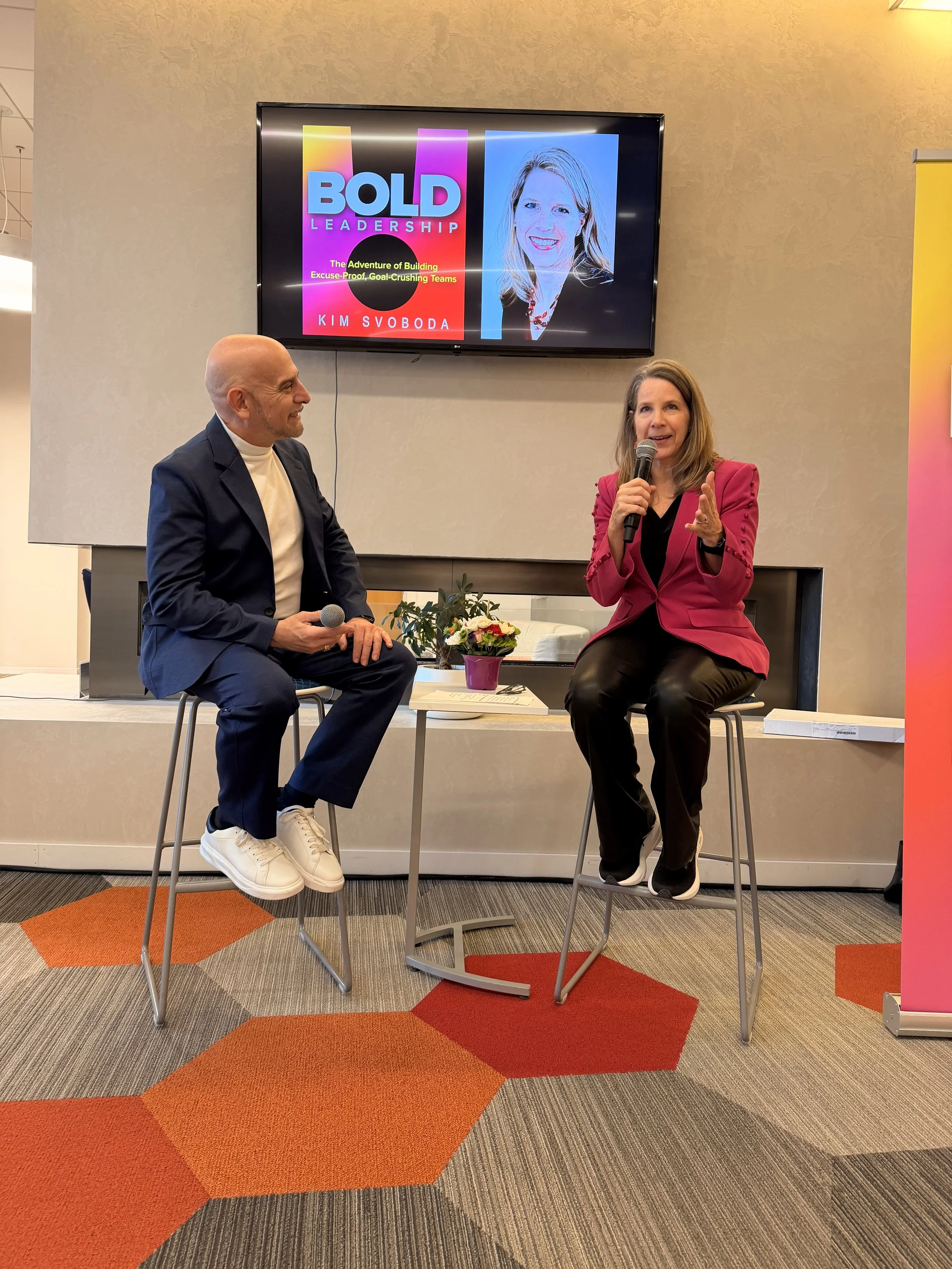
Work with Kim Directly Keynote speaking, leadership workshops, and executive coaching.
Get in Touch →https://www.aspirationcatalyst.com/contact
Love what you see so far? Order copies of the book
Check out our recommended reading list to go deeper on various topics in BOLD Leadership